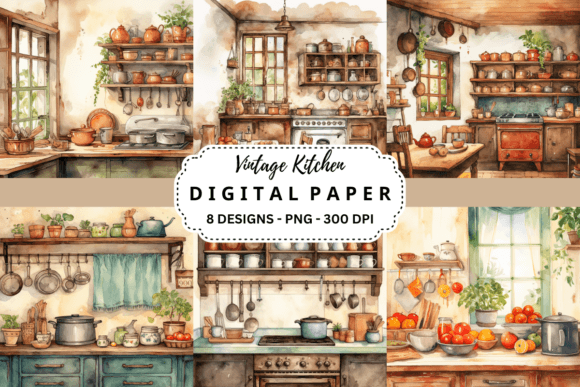
Capturing Nostalgia: The Vintage Kitchen Watercolor Background
There is a distinct warmth that radiates from a well-loved kitchen—the smell of baking bread, the clatter of ceramic jars, and the soft light filtering through a windowpane. Replicating that specific feeling in digital or print design requires more than just a stock photo; it demands an artistic touch that feels personal and organic. This is where the Vintage Kitchen Watercolor Background collection steps in. It is not merely a set of digital files; it is a toolkit for evoking a sense of comfort, heritage, and artisanal quality. For designers, marketers, and creators, understanding how to leverage the delicate interplay of watercolor textures and vintage aesthetics can transform a standard project into something truly memorable.
The Visual Character of Watercolor Textures
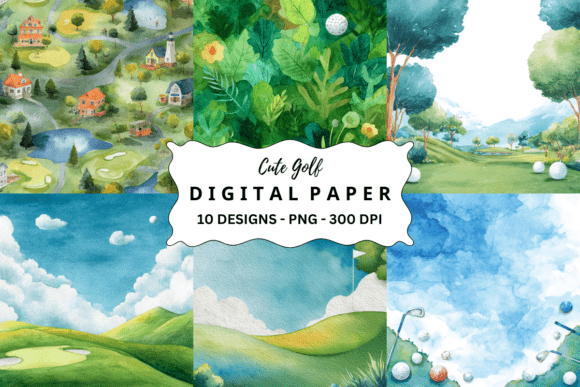
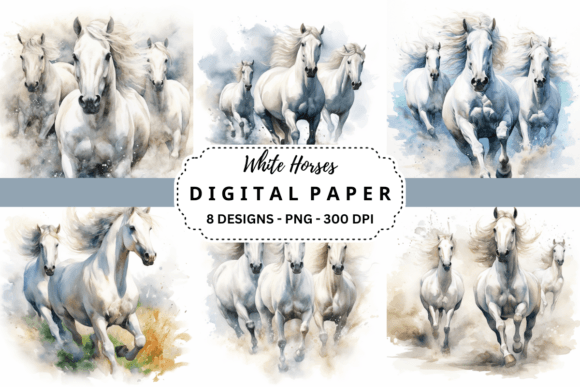
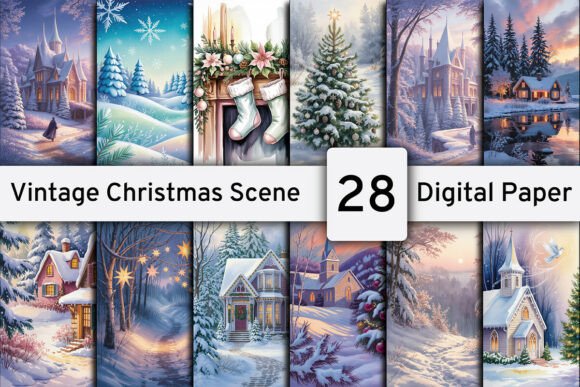
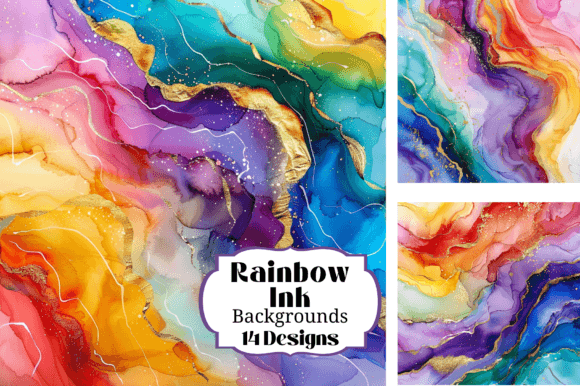
Watercolor art occupies a unique space in modern typography and design. Unlike vector graphics which rely on hard edges and mathematical precision, watercolor brings imperfection into the frame in the best possible way. The Vintage Kitchen Watercolor Background collection features high-resolution assets—3600 x 3600 pixels at 300 DPI—that capture the subtle bleeding of pigments and the textured grain of cold-press paper. This level of quality is essential for professional work, ensuring that the images remain crisp whether they are viewed on a retina screen or printed on large-format banners.
The "vintage kitchen" theme suggests a specific palette: muted pastels, earthy terracottas, sage greens, and creamy off-whites. These tones are inherently calming and trustworthy. When you use these backgrounds, you are borrowing the visual language of home cooking and tradition. This is particularly effective for brand identity work. If you are designing a logo for an artisan bakery or a line of organic spices, these textures provide a backdrop that instantly communicates "homemade" and "high quality" without saying a word. It acts as a visual anchor, allowing text and typography to float above it with a sense of grounded elegance.
Strategic Applications for Creatives and Entrepreneurs
The versatility of these design assets extends far beyond simple scrapbooking. While they are perfect for personal invitations or memory keeping, their commercial potential is vast. Consider the world of packaging design. A jam jar label or a tea box sleeve needs to stand out on a crowded shelf. By utilizing a Vintage Kitchen Watercolor Background, you can create a tactile look that invites the customer to pick up the product. The organic nature of the watercolor strokes suggests that the product inside is crafted with care, not mass-produced.
For those in the digital space, specifically social media graphics and web design, these backgrounds solve a common problem: content fatigue. Users scroll past thousands of sterile, computer-generated images daily. A watercolor texture breaks that pattern. It adds a layer of depth and humanity to an Instagram post or a website hero image. It works exceptionally well as a backdrop for quotes, recipe cards, or promotional announcements. Because the images are high-resolution, they can be cropped and zoomed without losing quality, allowing you to create multiple variations from a single file for a cohesive brand identity.
Font Pairing and Visual Hierarchy
One of the most critical aspects of using a textured background is ensuring legibility. A busy background can compete with your message if not handled correctly. The Vintage Kitchen Watercolor Background provides soft, diffused visuals, but text placement still requires strategy.
When it comes to font pairing, contrast is your friend. The soft, flowing nature of watercolor pairs beautifully with structured typography. For headlines, consider a bold serif font or a clean sans serif font. The sharp, geometric edges of modern typography create a striking juxtaposition against the fluid, organic shapes of the watercolor. Alternatively, for a more whimsical approach, a script font or handwritten font can mimic the artistic nature of the background, but be cautious with readability. It is often wise to place a semi-transparent overlay or a soft vignette behind the text to ensure the message remains the focal point.
Evaluating Fit and Project Consistency
Not every project calls for a watercolor aesthetic. It is vital to evaluate whether this style aligns with your project's goals. The Vintage Kitchen Watercolor Background is a premium font and design asset best suited for projects aiming for a warm, nostalgic, or artisanal vibe. If you are working on a futuristic tech interface or a corporate financial report, this style might feel out of place. However, for editorial design, such as cookbook layouts or lifestyle magazines, it is an invaluable asset.
When incorporating these assets, consistency is key. Use the collection to build a library of visual elements. Since you receive 8 individual files, you can assign different textures to different content pillars. For example, one texture for recipe posts, another for customer testimonials, and a third for sale announcements. This creates a visual system that your audience will learn to recognize, strengthening your brand’s professionalism and recognition.
Practical Guidance for Implementation
To get the most out of your design assets, treat them with the same respect you would a creative font. Before finalizing a design, test how the background interacts with your chosen typeface at various sizes. A display font might look stunning on a poster but might be illegible on a mobile screen when placed over a complex watercolor wash.
Here are a few practical tips for working with the Vintage Kitchen Watercolor Background:
- Color Adjustments: Don't be afraid to tweak the hue and saturation of the watercolor to match your specific brand colors. A simple color overlay in your design software can unify the palette.
- Layering: Use blend modes like "Multiply" or "Overlay" to integrate the texture with solid colors or photographs. This creates a cohesive look rather than a "sticker on a background" effect.
- Commercial Licensing: Always ensure that the specific license you purchase covers your intended use, whether for print-on-demand products, client work, or digital templates.
Ultimately, the goal of using a resource like the Vintage Kitchen Watercolor Background