The Timeless Allure of Vintage Writing Paper Backgrounds
There’s a certain magic that happens when you place a modern design onto a surface that tells a story. In a digital world saturated with sleek gradients and perfect vectors, the textured, slightly worn character of vintage writing paper offers a powerful counterpoint. It’s not just a background; it’s a foundation of authenticity, a whisper of history that instantly adds depth and narrative to your work. These backgrounds are more than just decorative assets; they are tools for creating an immediate emotional connection, evoking a sense of nostalgia, craftsmanship, and timelessness that modern graphics often struggle to achieve alone.
What Defines the Vintage Writing Paper Aesthetic?
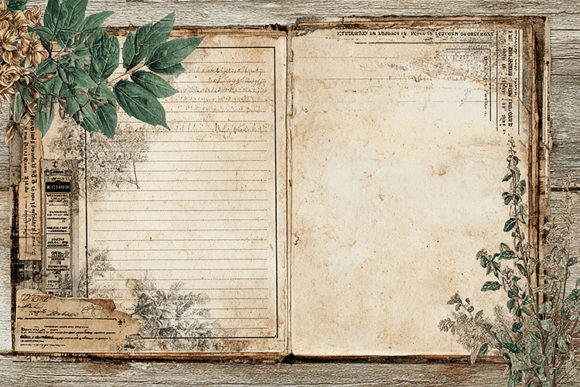
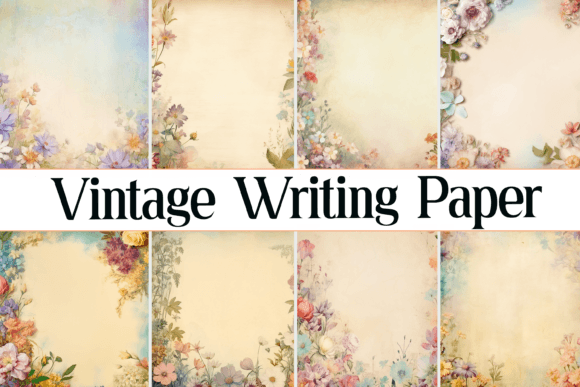
Understanding the visual personality of these backgrounds is key to using them effectively. Think beyond a simple beige tint. Authentic vintage writing paper, like the high-resolution digital collection described, is characterized by several subtle yet crucial details. The color palette leans towards warm, muted tones—aged ivory, soft cream, gentle sepia, and faint grey—avoiding pure white or harsh contrasts. The texture is paramount; you’ll find subtle grain, faint fibrous impressions, and the gentle ghost of watermarks. Edges may show soft, uneven discoloration or minor foxing (those characteristic brown spots), which adds to the charm rather than detracting from it. The overall effect is one of gentle patina, a surface that feels handled and loved, not factory-fresh.
This style possesses a distinct personality: it’s romantic, intellectual, and deeply personal. It speaks of handwritten letters, journal entries, and careful documentation. For a designer, it’s a creative font in visual form—a typeface for your layout that immediately sets a tone of reflection and sophistication. The appeal lies in its versatility; it can feel rustic and homey or elegant and formal, depending on the elements you pair with it.
Practical Applications: Where This Background Truly Shines
The true value of a premium asset like this is in its application. Its strength lies in its ability to elevate projects across multiple domains, acting as a silent partner that enhances rather than overwhelms.
For Brand Identity and Marketing: Small businesses and entrepreneurs, especially in niches like artisanal goods, boutique cafes, stationery brands, or heritage products, can leverage this background to build a brand identity rooted in authenticity. Use it for packaging design mockups, product photography backdrops, or as the canvas for a logo design. It tells customers you value quality, tradition, and attention to detail. In social media graphics, it stops the scroll with a tactile, inviting feel that sterile digital backgrounds lack.
In Publishing and Editorial Design: Bloggers, publishers, and content creators find immense utility here. It’s perfect for designing ebook covers, chapter title pages, newsletter headers, or quote graphics that need a contemplative, literary feel. When paired with a clean serif font for body text and an elegant script font for accents, the vintage paper becomes the unifying element that makes the entire publication feel cohesive and professionally crafted.
Digital and Print Projects with a Personal Touch: For crafters, hobbyists, and designers working on personal projects, the applications are endless. Create stunning wedding invitations, anniversary cards, or event programs. Design unique resumes or portfolio pages that stand out in a sea of standard templates. For print, these 300 DPI, 12x12 inch files are ideal for scrapbooking layouts, framed art prints, or custom journal covers, ensuring your physical projects have the same rich quality as your digital ones.
Mastering the Pairing: A Guide to Effective Use
Simply dropping your text onto a vintage background isn’t enough. To harness its full potential, you need to treat it as a key component in your typographic hierarchy and overall design strategy.
Font Pairing is Critical: This is where your expertise as a designer or marketer comes into play. Avoid pairing the vintage background with another highly stylized or overly ornate font, as this creates visual chaos. Instead, seek balance. A strong, clean sans serif font (like Helvetica, Futura, or Montserrat) creates a beautiful, modern contrast that makes both elements pop. For a more traditional, harmonious look, pair it with a classic serif font (like Garamond, Baskerville, or Caslon) to enhance the timeless feel. A delicate script or handwritten font can be used sparingly for headlines or accents, but ensure it remains highly legible against the textured surface.
Readability and Hierarchy: The texture of vintage paper can compete with fine text. Always prioritize readability. Use your chosen typeface at a sufficient size and weight. Consider adding a very subtle drop shadow or a slight text stroke (just 1-2 pixels in a darker shade) to lift your text off the background without looking garish. Establish a clear visual hierarchy using font size, weight, and color (opt for deep browns, charcoal greys, or blacks instead of pure black for a more integrated look).
Evaluating Fit and Licensing: Before committing, ask: Does this background’s personality align with my project’s message? A tech startup’s annual report might not be the best fit, but a memoir, a boutique hotel’s brochure, or a vintage market’s promotional poster is perfect. When sourcing your assets, always review the licensing. Ensure the commercial license covers your intended use, whether for client work, print-on-demand products, or digital distribution. High-quality files, like the 3600x3600 pixel PNGs at 300 DPI mentioned, are non-negotiable for professional results, offering the flexibility to scale and crop without losing fidelity.
Ultimately, vintage writing paper backgrounds are a powerful tool in your design assets toolkit. They offer a shortcut to sophistication and emotional resonance. By understanding their characteristics and applying them with thoughtful typography and strategic design, you can transform a simple project into an engaging narrative that resonates deeply with your audience.