Unlocking Authentic Character with Vintage Aged Paper Textures
There is a specific kind of warmth that only comes from history. When you hold a letter from the 1920s or look at a map that has survived a century, the paper itself tells a story through its imperfections. In the digital realm, we often struggle to replicate that tactile sensation. We spend hours trying to find the right filter or overlay to make a design feel lived-in rather than factory-fresh. This is where the power of high-quality texture packs becomes undeniable. The Vintage Aged Paper Digital Paper collection is designed to bridge that gap, offering a curated set of backgrounds that bring a genuine, timeless aesthetic to modern projects.
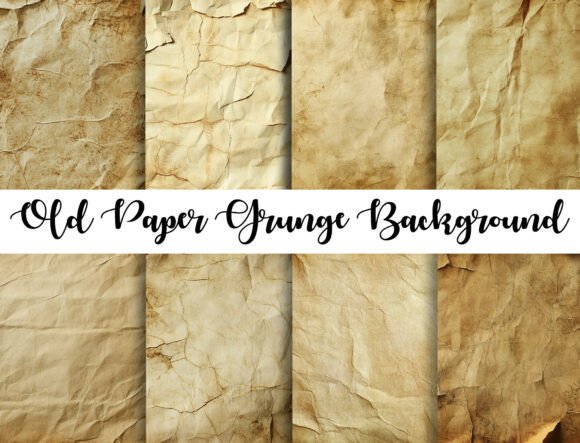
This collection isn't just about slapping a sepia tone over a white canvas. It is about depth and realism. The pack includes eight unique designs, each measuring a generous 12 by 12 inches at 300 DPI. For designers, this is a critical detail. High resolution means you can use these textures for large-format print projects without worrying about pixelation, or you can zoom in on specific sections for web banners and social media cards while maintaining crisp clarity. The JPG files are ready to drop into your workflow immediately, whether you are using Adobe Photoshop, Illustrator, Procreate, or Canva.
The Visual Anatomy of a Perfect Texture
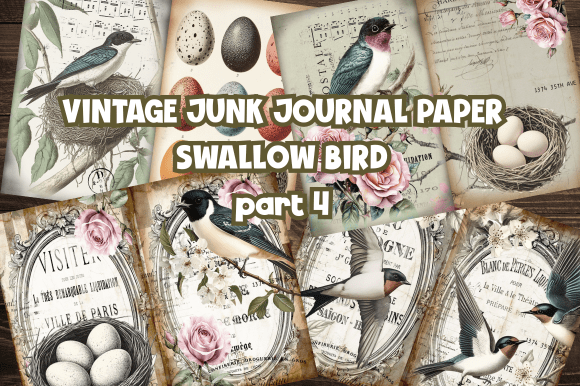
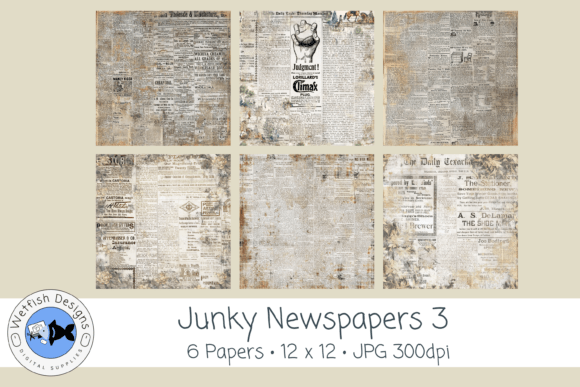
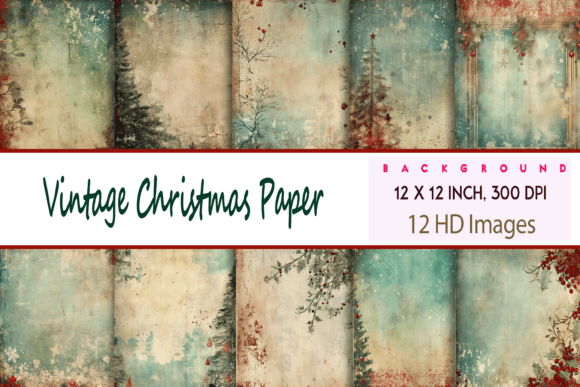
When we talk about "grunge" or "aged" textures, we are talking about controlled chaos. A successful texture needs to look accidental but feel intentional. The Vintage Aged Paper Digital Paper files excel because of their realistic details. You will find subtle coffee stains that fade naturally into the grain, delicate scratches that mimic years of handling, and faded tones that suggest the paper has spent decades tucked away in a drawer.
These aren't just static images; they possess a personality. Some sheets in the pack lean towards a cooler, slate-grey aging, perfect for Victorian-era themes or noir aesthetics. Others have a warmer, yellow-ochre base that feels more organic and rustic, ideal for farmhouse branding or vintage invitations. This variety allows you to match the texture not just to the color palette of your design, but to the emotion you are trying to evoke. The "wear and tear" creates a natural focal point, guiding the viewer's eye to the cleaner areas of your layout where you will place your typography or imagery.
Practical Applications for Modern Creators
Understanding the versatility of this asset is key to getting a return on your investment. It is not limited to just one niche. Here is how different professionals can leverage this collection:
- Scrapbooking and Crafters: This is the most obvious use case. Digital scrapbooking relies heavily on layering. These textures serve as a perfect foundation layer, grounding your photos and embellishments in a cohesive environment. The 12x12 inch format is the industry standard for scrapbook pages, making these ready to print and bind.
- Graphic Designers and Brand Strategists: If you are building a brand identity for a coffee shop, a boutique brewery, or a heritage clothing line, you need design assets that convey authenticity. Using a Vintage Aged Paper Digital Paper as a background for a logo presentation or a business card design instantly communicates stability and tradition. It suggests that the brand has roots and substance.
- Content Creators and Social Media Managers: In the endless scroll of a social media feed, high-contrast, clean graphics are common, but texture is rare. Using a distressed paper background for an Instagram quote or a Facebook ad can stop the scroll. It adds a tactile quality that makes the content feel more "real" and less corporate.
- Web Designers: While flat design is popular, many lifestyle blogs, portfolio sites, and restaurant menus benefit from a textured background. It adds warmth to the user experience. However, readability is paramount here. You would typically use the Vintage Aged Paper Digital Paper as a header image or a footer background, ensuring that the main body text remains on a clean, legible surface.
Designing with Texture: Beyond the Background
While these files are labeled as "backgrounds," thinking of them only as a bottom layer limits their potential. As a creative professional, you should view these as design assets that can be manipulated. Here are a few advanced techniques to consider:
- Typography Enhancement: Applying a clipping mask to your text using an aged paper texture can transform a standard serif font into a vintage masterpiece. Instead of flat black letters, your text will look printed on parchment. This works exceptionally well for display headings, logos, and stationery.
- Photo Overlays: If you are a photographer specializing in portraits or fine art, overlaying these textures with a "Multiply" or "Soft Light" blending mode can add a film-grain effect to your digital shots. It softens the harshness of modern digital sensors and adds a nostalgic mood.
- Mockups and Presentations: If you are selling digital products or presenting a packaging design to a client, placing your work on a textured surface rather than a plain white screen helps the client visualize the final product in a real-world context.
Pairing Fonts and Styles
The background you choose dictates the typography you should use. When working with the Vintage Aged Paper Digital Paper, your font selection becomes a balancing act between legibility and theme.
Avoid overly futuristic sans serif fonts, as they can clash with the organic nature of the paper. Instead, look for classic serif fonts that have stood the test of time. Fonts with high contrast and sharp serifs often look best against a rough background. Alternatively, a handwritten font or a script font can complement the texture beautifully, provided it is legible. If the paper texture is very busy (lots of dark stains or scratches), opt for a bolder, heavier typeface to ensure the text doesn't get lost in the noise.
Think about the hierarchy. If you are designing an invitation, the main header might use a decorative display font, while the details (time, date, location) should use a clean, readable sans serif font. The texture ties these disparate elements together, creating a unified brand identity that feels cohesive and intentional.
Evaluating Quality and Workflow Integration
Not all texture packs are created equal. A common frustration for designers is downloading a pack only to find that the textures are low resolution or have visible tiling seams. The Vintage Aged Paper Digital Paper collection addresses this by providing high-resolution files. The 300 DPI specification is non-negotiable for professional print work. It ensures that whether you are printing a small sticker or a large poster, the texture remains sharp.
When integrating these into your workflow, remember that versatility comes from editing. Don't be afraid to desaturate the texture if the original tone doesn't match your palette, or adjust the levels to increase the contrast of the scratches. These files are a starting point—a canvas for your creativity.
Commercial Use and Licensing
For entrepreneurs and small business owners, understanding the licensing of your assets is crucial. This collection is designed for both personal and commercial use, allowing you to use these textures in products you sell, such as POD (Print on Demand) merchandise, digital planners, or client work. Always double-check the specific license terms to ensure you are compliant, but generally, these assets are cleared for the heavy lifting that commercial projects require.
In a digital world that often feels sterile and uniform, adding the tactile quality of an old piece of paper is a powerful design choice. It connects with the viewer on a sensory level, evoking memories of handwritten letters and history books. By incorporating the Vintage Aged Paper Digital Paper into your toolkit, you are not just adding a background; you are adding a layer of storytelling to every project you touch. Whether you are refreshing a brand's visual identity or creating a scrapbook for a loved one, these textures provide the perfect foundation for designs that endure.